The Ultimate Guide to garage door repairs
What Tools Are Needed for Basic Garage Door Repair at Home?
Repairing your garage door at home can be a rewarding DIY project that saves you money and extends the lifespan of your door. To successfully tackle common issues like noisy rollers, loose panels, or misaligned sensors, having the right tools is essential. This comprehensive guide introduces you to the essential and specialised tools, safety equipment, and maintenance supplies you need for effective and safe garage door repairs.
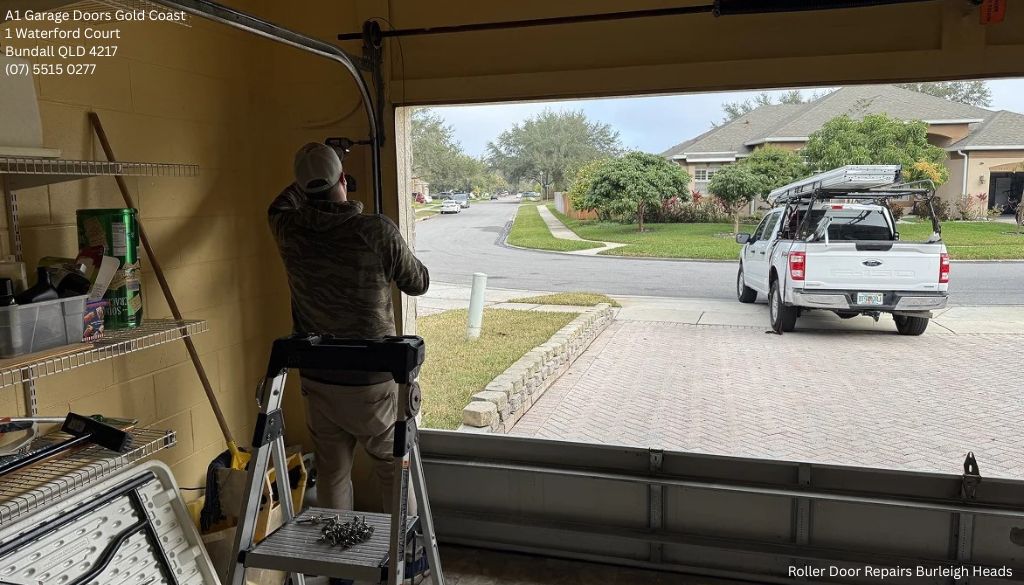
What Are the Essential Hand Tools Required for Basic Garage Door Repairs?
A well-equipped toolbox forms the foundation of any successful garage door repair. Here are the must-have hand tools for everyday tasks:
- Screwdrivers (flathead and Phillips): For tightening or loosening screws on panel clips, mounting brackets, and locks.
- Pliers and wire cutters: Ideal for gripping wires, adjusting cables, and cutting excess or damaged wiring safely.
- Adjustable spanner, crescent wrench, and wrench set: Provide leverage for nuts and bolts on roller wheels, hinges, and panel fasteners.
- Hammer and rubber mallet: Useful for gently tapping parts into place or removing stubborn components.
- Allen keys (hex keys): Often required for tension rod adjustments and certain hardware fittings.
- Ratchet and socket set: Great for working in tight spaces to tighten or remove bolts quickly.
- Utility knife: For trimming weather seals or cutting tape during maintenance.
- Putty knife and chisel: Helpful when scraping away old grease, debris, or damaged sealant.
These hand tools cover many basic repairs, including spring adjustments, panel replacements, cable fixes, and lock tightening. Keeping them organised ensures you’re ready to handle most common garage door maintenance.
Which Power Tools Are Recommended for Garage Door Maintenance and Repair?
Power tools significantly speed up garage door repair tasks and improve precision. Consider including the following in your toolkit:
- Cordless drill: Versatile for driving screws, drilling pilot holes, and mounting door sensors or brackets without the hassle of cords.
- Hammer drill: Particularly useful when drilling into masonry walls near the garage door frame.
- Drill bits: A set of various sizes for pre-drilling holes in metal or wood components.
- Extension cord: Vital when using corded drills or power tools far from power outlets to maintain flexibility and reach.
Using cordless drills offers maneuverability around the roller wheels and springs, while corded tools deliver continuous power. Choosing the right drill depends on your specific repair needs but investing in quality ensures durability and performance.
What Safety Equipment Should I Have When Repairing a Garage Door?
Garage doors are heavy and have components under high tension, so safety gear is non-negotiable to protect against injuries:
- Gloves: Prevent cuts, scrapes, and pinched fingers when handling metal parts or cables.
- Safety glasses: Shield your eyes from metal shards, dust, and debris during repairs.
- Dust mask: Protect your respiratory system from inhaling dust, rust particles, or cleaning fumes.
- Flashlight: Enhances visibility inside dim garage corners or behind panels.
- Ladder or step stool: Provides safe access to high springs, mounting brackets, and cables.
Wearing appropriate safety gear minimizes risks when working with moving parts, sharp tools, and electrical components. Always make sure ladders are stable and positioned correctly before climbing.
Are There Specific Tools for Handling Garage Door Springs and Cables?
Garage door springs and cables operate under extreme tension and require specialised tools to manage safely:
- Replacement springs and tension rods: Used to adjust or replace worn torsion springs accurately.
- Vice grips and clamps: Hold cables and springs securely in place during repair to prevent slippage.
- Torque wrench: Ensures correct tension is applied to springs and bolts, vital for balanced door operation.
- Cable pulleys: Assist during cable replacement and alignment procedures.
Improper handling of springs or cables can lead to serious injury. If unsure, always consult a professional technician experienced with these components.
What Lubricants and Maintenance Supplies Are Essential for Garage Doors?
Routine lubrication and cleaning extend your garage door’s functional life and keep it running smoothly:
- Silicone-based lubricant or lithium grease: Best for application on roller wheels, hinges, tracks, and springs without attracting dirt.
- Grease: Specifically used on torsion springs for long-lasting protection.
- Cleaning cloth: Essential to wipe away accumulated dirt or old lubricant before applying new grease.
- Weather seal: Replacing damaged seals prevents water ingress and improves insulation.
- Zip ties: Handy for temporarily securing loose cables, wires, or mounting brackets.
Consistent lubrication reduces friction and noise, preventing costly wear and tear on moving components.
What Additional Specialised Tools Can Make Garage Door Repair Easier?
For more complex repairs, these specialised tools enhance accuracy and efficiency:
- Multimeter: Diagnoses electrical issues with garage door openers and door sensors by measuring voltage and continuity.
- Masking tape: Useful for marking adjustments or holding small parts temporarily during repair.
- Metal file: Smooths sharp edges on cut metal pieces to avoid damage or injury.
- Pry bar: Assists in carefully separating panels or realigning stuck components.
- Chalk line: Helps with aligning panels or mounting brackets accurately.
- Fastening hardware and wire connectors: Replace worn bolts, screws, or electrical wiring to maintain functionality.
- Lock mechanism components: Facilitate repairing or replacing faulty garage door locks.
These specialised tools empower you to perform detailed diagnostics and precise adjustments safely.
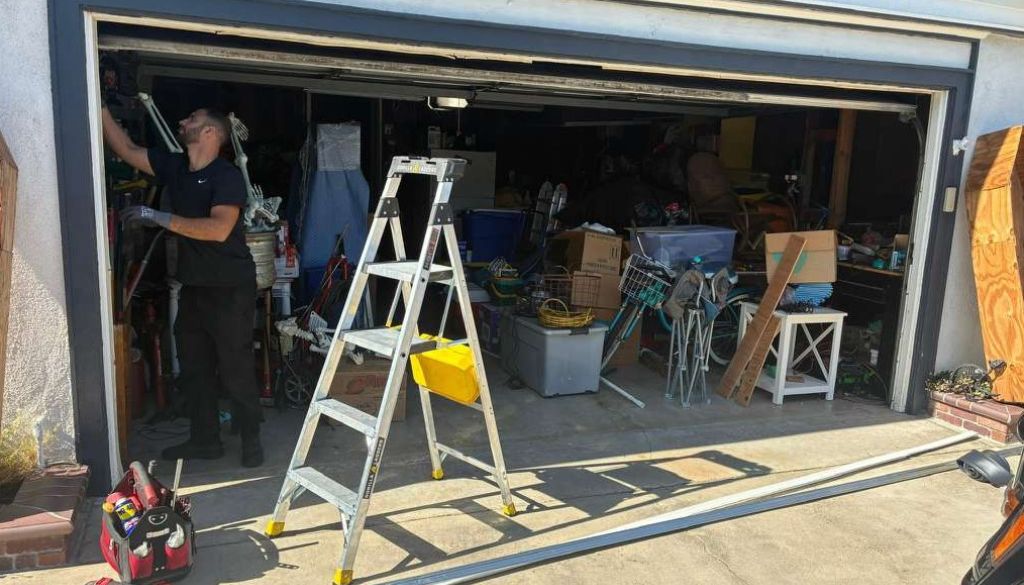
How to Safely Use Tools for Garage Door Repair?
Following best practices protects both you and your garage door during repairs:
- Always disconnect power to the garage door opener before starting any electrical or mechanical work.
- Use insulated tools specifically designed for electrical repairs.
- Wear gloves and safety glasses throughout the repair process.
- Ensure ladders and step stools are stable and secure before climbing.
- Follow manufacturer torque specifications when adjusting springs or tightening bolts.
- Never attempt to adjust torsion springs without proper training and the correct tension rods and torque wrench, as they can cause severe injury.
Prioritising safety prevents accidents and helps maintain your garage door’s integrity.
How to Identify Which Tools You Already Have vs Tools You Need to Buy?
Before starting, conduct an inventory of your current tools:
- Check your toolbox for essential items like screwdrivers, pliers, wrenches, and ratchets.
- Make a list of specialised tools needed, such as torque wrenches or multimeters, and decide whether to buy or rent.
- Consider purchasing a DIY garage door repair kit that bundles multiple essential tools to save time and money.
- Borrow tools for one-off or rare tasks to avoid unnecessary expenditure.
Preparing your tool inventory ahead of time streamlines your repair process and improves efficiency.
When Should You Call a Professional Instead of DIYing?
Certain situations require expert intervention for safety and longevity of your garage door system:
- Springs break or need adjustment, as high tension poses significant injury risks.
- Cables are frayed, snapped, or improperly aligned, affecting door balance.
- Electrical problems arise with the opener or safety sensors beyond simple troubleshooting.
- Your garage door is severely damaged or off track.
- You lack the necessary specialised tools or confidence to carry out repairs safely.
Professional technicians have the experience, tools, and knowledge to resolve complex issues safely and efficiently.
Basic Garage Door Repair Tips and Tricks for Beginners
- Lubricate all moving parts such as rollers and hinges at least twice a year.
- Clean and align sensors regularly to ensure reliable door operation.
- Tighten loose bolts and fasteners promptly to prevent further damage.
- Test door balance by disconnecting the opener and manually lifting the door halfway; it should stay open if balanced correctly.
- Replace weather seals annually to maintain insulation and keep out debris.
Simple upkeep combined with the right tools makes routine maintenance easier and helps avoid costly repairs.
Frequently Asked Questions (FAQs)
Can I Repair a Garage Door Without Specialised Tools?
Yes, basic fixes like lubricating hinges or tightening visible screws can often be done with common household tools garage door repairs such as screwdrivers and pliers. However, specialised tools are necessary for handling springs, cables, and electrical components safely and effectively.
What Tool Is Best for Adjusting Garage Door Springs?
Tension rods and torque wrenches designed specifically for garage door springs provide the correct leverage and control to adjust spring tension safely. Using improper tools can cause serious injury or damage.
How Often Should I Lubricate My Garage Door and With What?
It is recommended to lubricate your garage door every six months using silicone spray or lithium grease. Focus on rollers, hinges, springs, and tracks to reduce friction and noise while extending the door’s lifespan.
Do I Need a Multimeter for Garage Door Repairs?
A multimeter is useful for diagnosing electrical issues related to the garage door opener, door sensors, or wiring faults. It is not necessary for mechanical repairs but is an excellent diagnostic tool for opener troubleshooting.
What Safety Precautions Should I Take During Garage Door Repair?
Always disconnect power before starting work, wear protective gloves and safety glasses, use stable ladders or step stools, and never attempt spring repairs without proper tools and training. Following safety guidelines protects you from injury and damage to your door.
Conclusion
Having the right tools is crucial to confidently and safely repairing your garage door at home. From fundamental hand tools and lubricants to specialised equipment like torque wrenches and multimeters, being prepared allows you to address most common repairs efficiently. Prioritise safety by using protective gear and knowing when to seek professional help, especially with high-tension springs and electrical components.
Regular maintenance with the appropriate tools not only saves costs but also keeps your garage door functioning smoothly for years to come. If you encounter complex issues or feel uncertain, don’t hesitate to consult a qualified garage door technician. Happy repairing!